Recovery
Recovering from sexual violence or abuse is not about “getting over it” it’s about healing, rebuilding trust in yourself and others, and learning to feel safe again. That journey looks different for everyone, and there is no right or wrong way to recover.
Whether the abuse happened recently or many years ago, whether you’ve spoken about it or kept it to yourself, you deserve support and recovery is possible
What Is Recovery
Recovery means different things to different people. It can involve:
Feeling safe in your body and surroundings
Rebuilding confidence and self-esteem
Reclaiming control over your choices, boundaries, and emotions
Managing anxiety, fear, guilt or shame
Understanding what happened and how it has affected you
Developing healthier relationships and connections
Finding your voice again
Some people may experience trauma responses such as flashbacks, numbness, dissociation, panic attacks or difficulty trusting others. These are normal reactions to abnormal experiences
You Are Not Alone
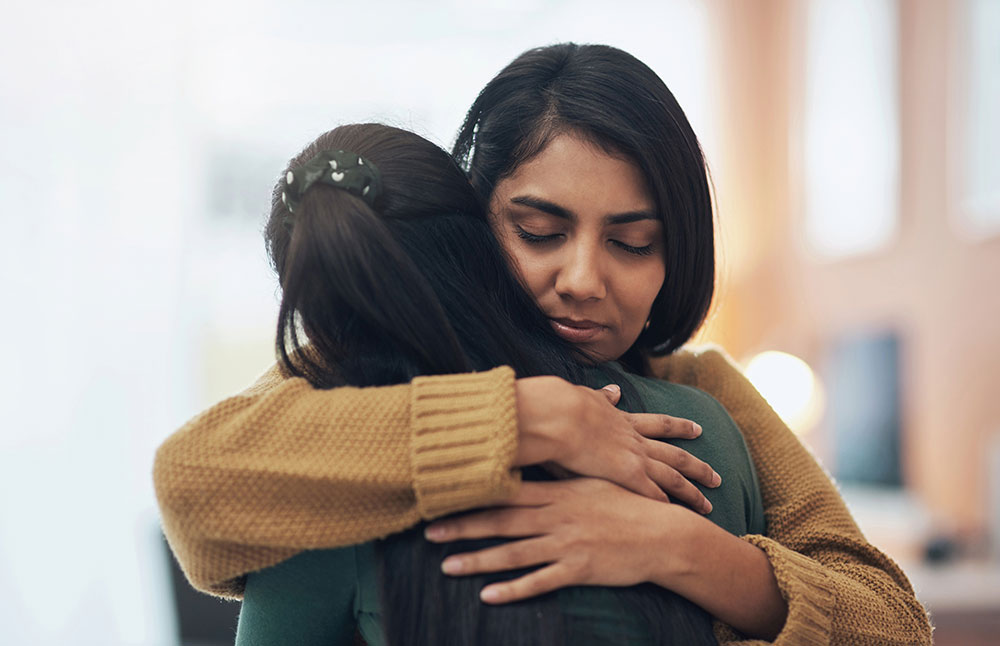
Many people feel isolated or ashamed after sexual abuse but the abuse was not your fault. The responsibility lies solely with the person who harmed you.
You don’t have to carry this on your own. Support is available, and we’ll meet you where you are, emotionally and practically, with compassion, care, and understanding
How We Can Support Your Recovery
Our service offers a range of specialist, trauma-informed support designed to help you feel safe, seen, and supported as you begin or continue your healing journey.
Counselling and Therapeutic Support
We offer counselling with trained professionals who specialise in supporting survivors of sexual violence. Counselling can help you:
Explore thoughts and feelings in a safe, confidential space
Build self-awareness and coping tools
Work through trauma at your own pace
Reconnect with your body, mind, and emotions
You don’t need a diagnosis or to be in crisis, just a desire for support.
ISVA (Independent Sexual Violence Advisor) Support
If you’re involved in, or considering, reporting to the police, an ISVA can support you through the process and help with:
Navigating the criminal justice system
Creating safety plans
Liaising with police, CPS, or courts
Advocacy with housing, healthcare, or education services
Providing emotional and practical guidance throughout
Peer Support and Recovery
Connecting with others who understand what you’ve been through can be a powerful part of healing. Our support groups offer
A safe, non-judgemental space
Shared understanding and lived experience
Opportunities to build trust and confidence
Creative or themed sessions focused on recovery
You can choose whether or not to share — there’s never any pressure.
Wellbeing Groups and Activities
We run a variety of therapeutic and wellbeing-focused sessions to support emotional recovery, including:
Mindfulness and grounding techniques
Art or creative expression
Self-esteem and self-care workshops
These sessions are designed to help you reconnect with yourself in a gentle, supportive way.
Recovery Takes Time But You Don’t Have to Do It Alone
There is no fixed timeline. Some people begin recovery shortly after the abuse. For others, it may take years to feel ready. However long it takes, you deserve to heal.
You are not broken. You are not to blame. And you are not alone.